
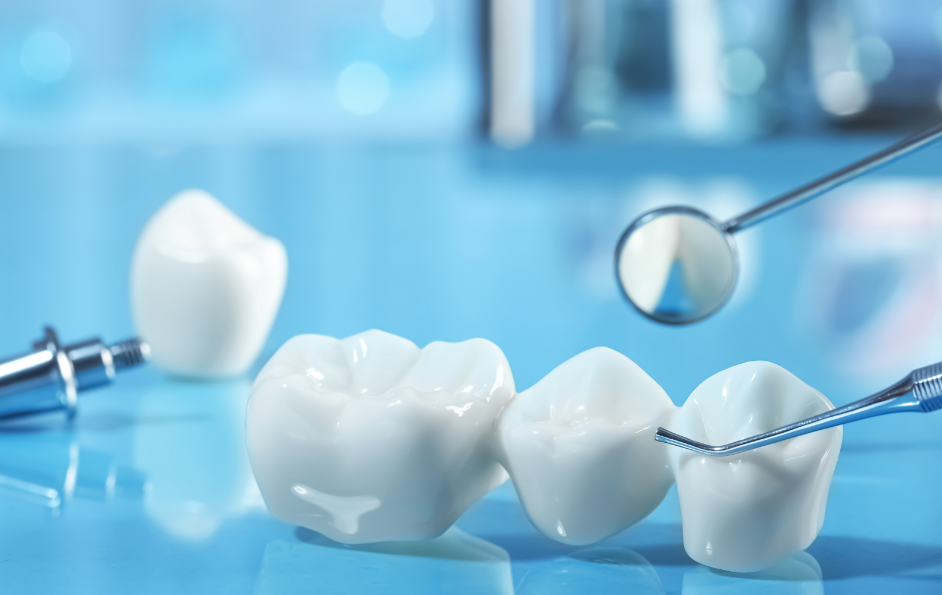
Dental crowns are one of the most reliable ways to restore a damaged tooth, bringing back its strength, shape, and appearance. Whether you received a crown after a root canal, to repair a fracture, or to improve a worn tooth, it’s natural to wonder how long it will last. The good news is that with proper care, dental crowns can serve you well for many years—often a decade or more.
Understanding what affects the lifespan of a crown can help you protect your investment and keep your smile healthy.
Average Lifespan of a Dental Crown
Most dental crowns last between 5 and 15 years, though many patients enjoy their crowns for 20 years or longer. The lifespan depends on several factors, including the material used, your oral habits, and how well you maintain your dental health.
Porcelain and ceramic crowns are popular for their natural appearance, especially for front teeth. Metal and porcelain-fused-to-metal crowns tend to offer additional durability, making them a strong choice for molars that handle heavy chewing forces. Regardless of the material, consistent care plays the biggest role in longevity.
What Can Shorten a Crown’s Lifespan?
While crowns are designed to be durable, certain habits and conditions can cause them to wear down or fail sooner than expected.
Teeth grinding or clenching, also known as bruxism, places excessive pressure on crowns and natural teeth alike. This constant force can lead to cracks, chips, or loosening over time. Chewing ice, biting fingernails, or using teeth to open packaging can also damage a crown.
Poor oral hygiene is another major factor. Although the crown itself cannot decay, the tooth underneath it can. If plaque accumulates around the crown’s margin, it can lead to decay or gum disease, both of which may compromise the restoration.
How to Make Your Crown Last Longer
The best way to extend the life of your dental crown is to care for it just as you would your natural teeth. Brushing twice daily with a soft-bristled toothbrush and fluoride toothpaste helps prevent decay at the crown’s base. Flossing daily is equally important, as it removes plaque and food particles from areas your toothbrush can’t reach.
If you grind your teeth at night, wearing a custom nightguard can protect both your crown and surrounding teeth. Avoiding hard or sticky foods—such as hard candies, popcorn kernels, and chewing gum—can also reduce unnecessary stress on the restoration.
Regular dental checkups allow your dentist to monitor the condition of your crown and address small issues before they become larger problems. Professional cleanings help maintain healthy gums, which are essential for supporting any dental restoration.
Signs Your Crown May Need Replacement
Even with excellent care, crowns don’t last forever. Knowing when to seek evaluation can help you avoid complications.
Common signs that a crown may need replacement include visible cracks, persistent sensitivity, discomfort when biting, or a loose fit. You may also notice a dark line near the gumline if the underlying structure changes. If you experience any of these symptoms, scheduling a dental visit promptly can prevent further damage.
A well-maintained crown should feel comfortable and function seamlessly as part of your smile.
With mindful care and healthy habits, your dental crown can remain a strong, dependable part of your smile for many years.
About the Practice
The team at Splendid Smiles provides comprehensive restorative dentistry focused on preserving natural teeth and enhancing long-term oral health. Led by Dr. Nayak and Dr. Brahmbhatt, our practice offers customized solutions including dental crowns, bridges, and other restorative treatments designed to restore strength, function, and aesthetics. By combining modern technology with a patient-centered approach, we help individuals maintain healthy, confident smiles that last.
Call us at (540) 680-4880 or request an appointment online.